Morning monitoring #1.
My appointment was at 8:00 a.m.
Because I live in Brooklyn, I left my apartment at 7:15.
By the time I get home, it'll be close to 10:00.
Almost three hours of my morning for an appointment that lasted about one.
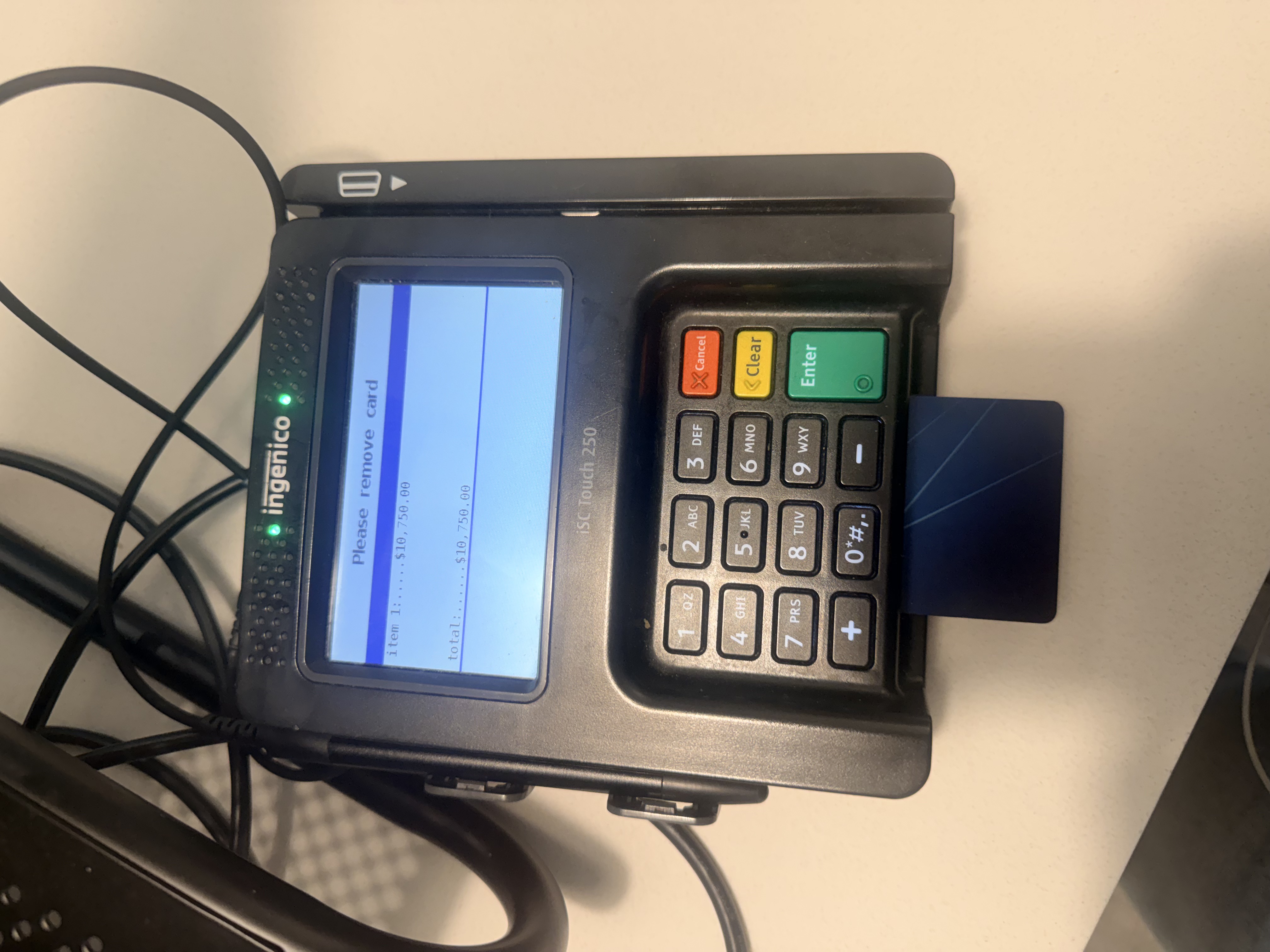
When I walked in, they told me to go to finance first, where I had to pay $10,750.
The only thing I held off on, for now, was the anesthesia.
Then I went and sat down to wait for my name to be called.
It felt a little like taking a number at a deli.
There must have been close to twenty people lined against the wall, all staring down at their phones.
The blood draw
Eventually my name was called.
The nurse had me sit down and drew my blood.
She was nice.
There were little nurse stations everywhere, filled with women getting their bloodwork done.
Afterward, she went over the plan for the day.
First the bloodwork.
Then the transvaginal ultrasound.
Then later, my doctor would call with instructions about whether or not I would start my injections that night.
It's so early in the morning that I feel almost zombie-like.
No pep.
No energy.
Just moving from one step to the next.
What the nurse said
The weekends are even crazier. If you can, get there as early as possible — they open at seven.
The waiting room
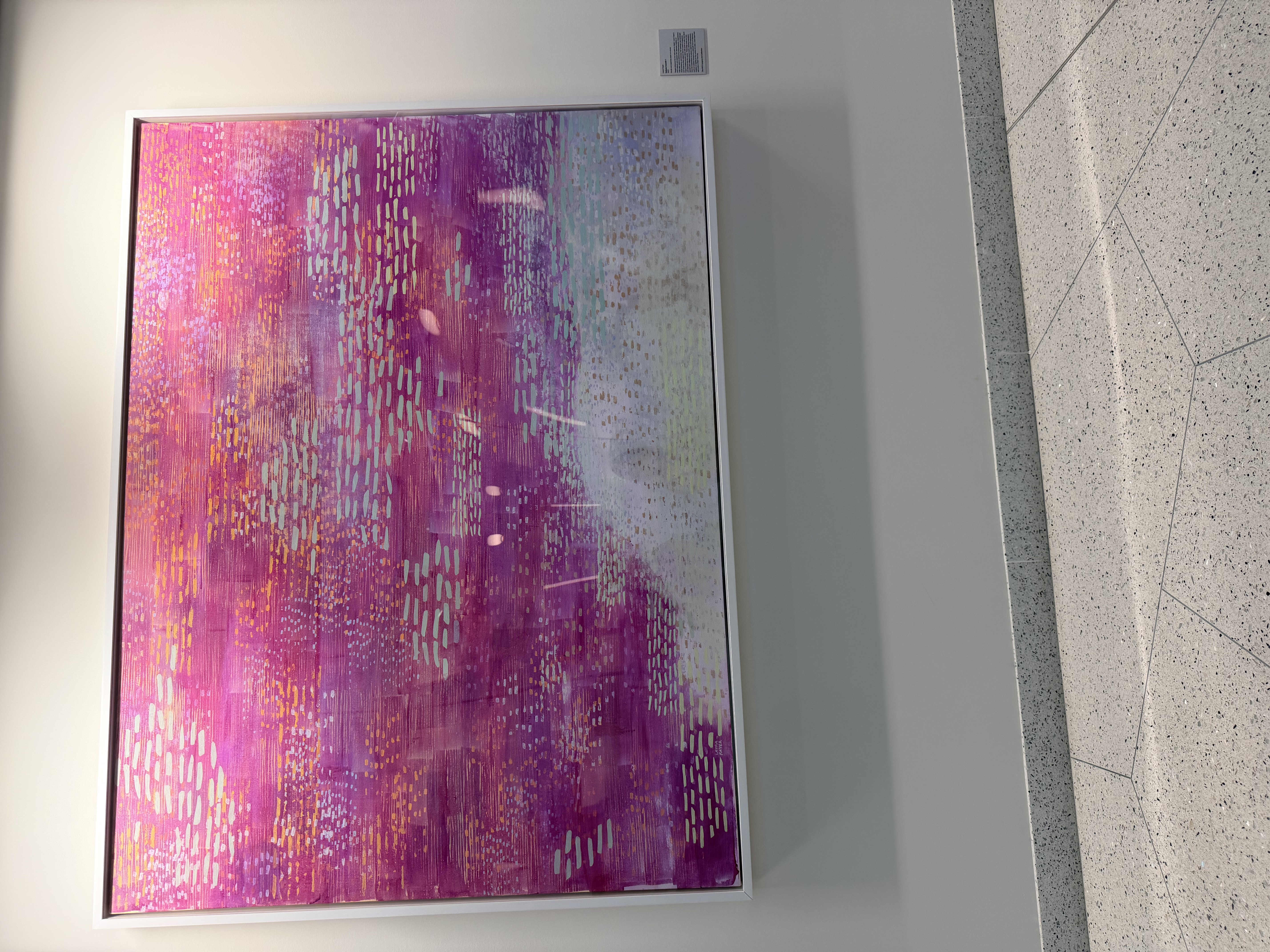
After my bloodwork, I moved to the other waiting area by the large pink painting to wait for my ultrasound.
Again, the long line of women.
Some alone.
Some with partners.
All sitting in rows of chairs.
Now many of them had little white cotton balls tucked into the crook of their arms.
What I noticed
The faces of the women looked tired.
Not unhappy.
Not upset.
Just tired.
Like everyone had been pulled out of bed before sunrise to quietly tend to something important.
The ultrasound
Eventually they called my name again.
Before the ultrasound, they weighed me and took my blood pressure.
Then they brought me into the room and told me to remove my pad and undress from the waist down.
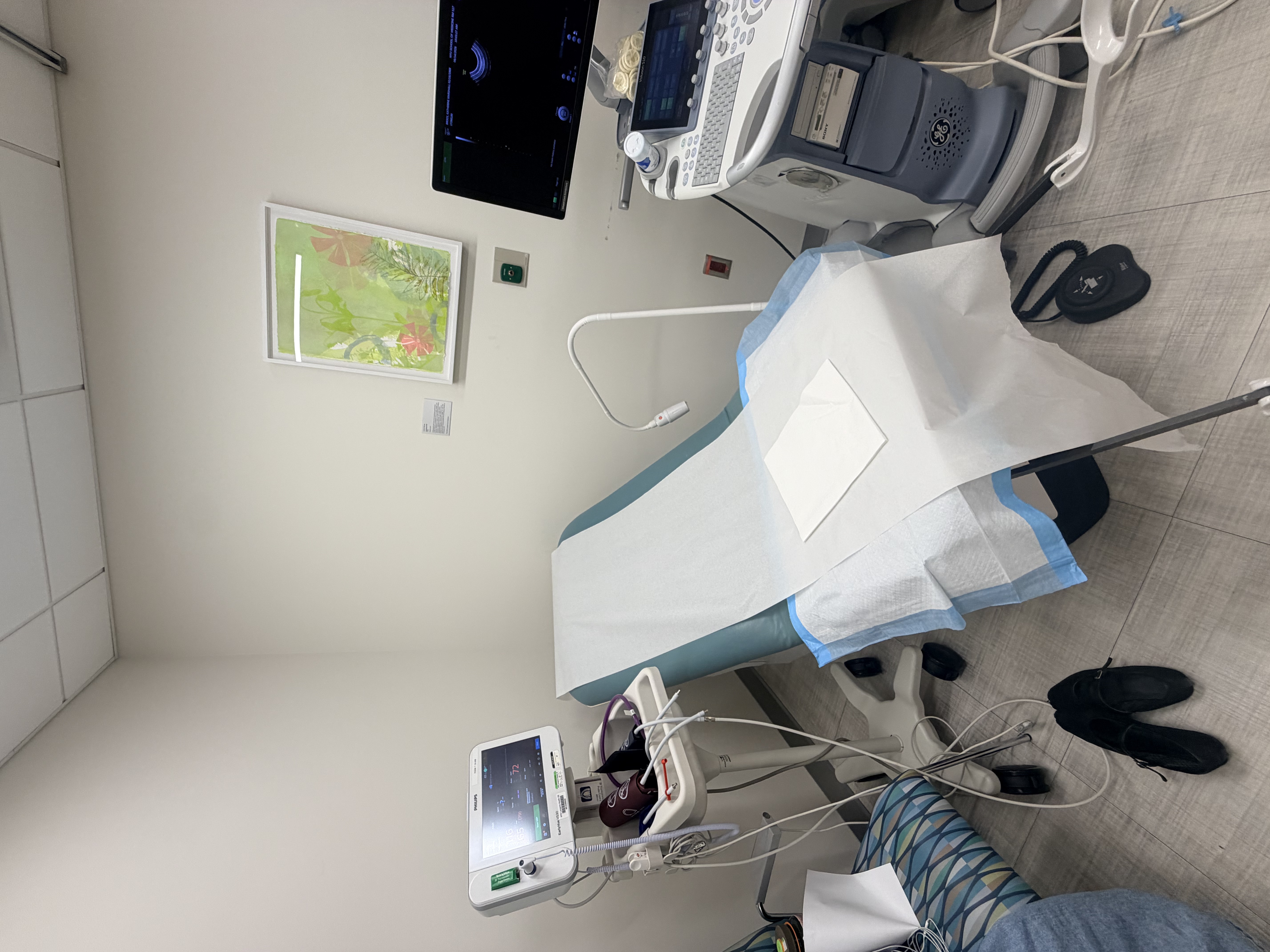
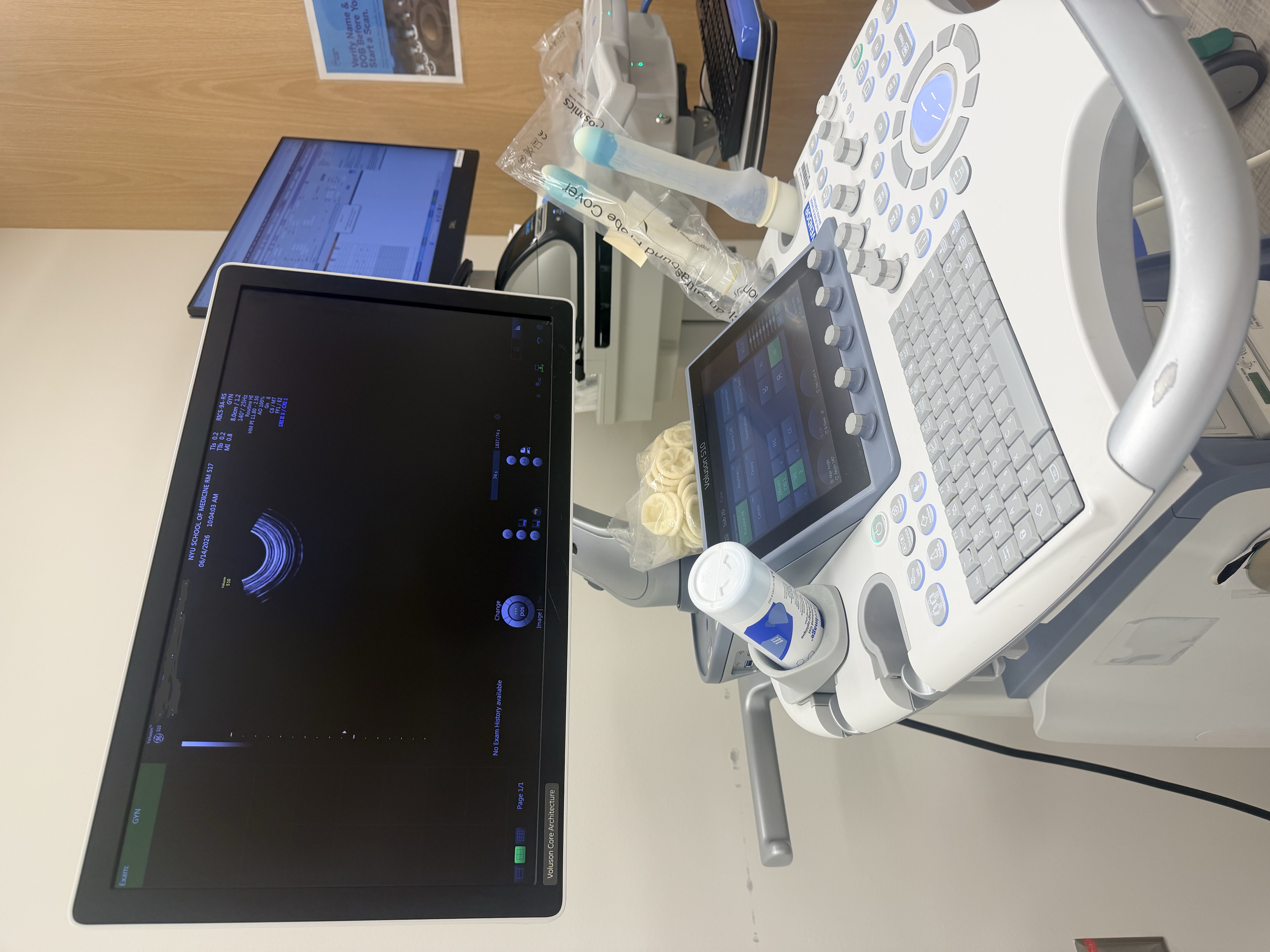
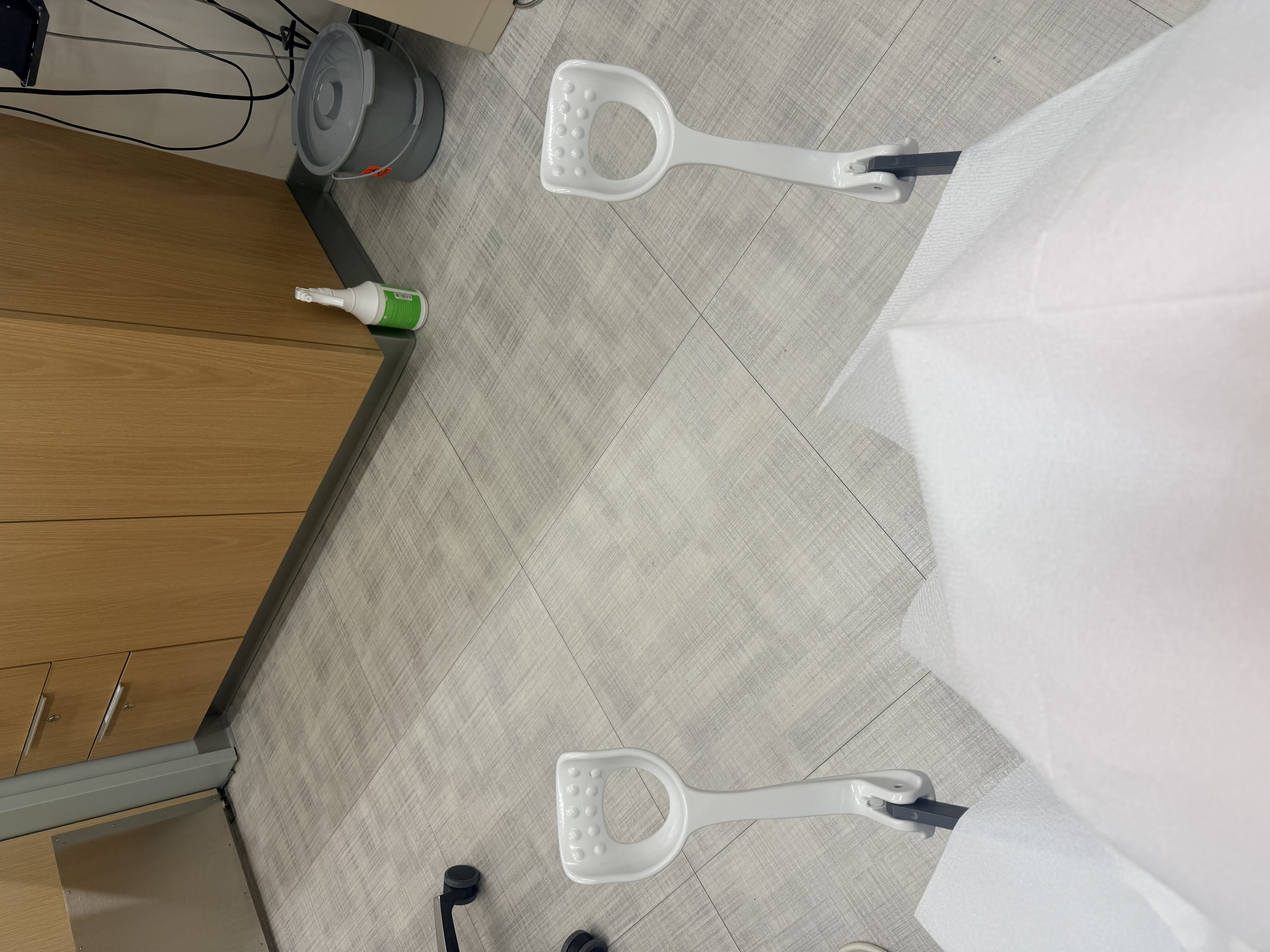
And honestly, the whole thing took maybe a minute.
It took longer to get undressed and climb into the stirrups than it did for the ultrasound itself.
For something I had spent so much time thinking about, it was surprisingly quick.
The technician moved through it efficiently, taking whatever measurements she needed.
Then she was done — everything looked good, and I should hear from my doctor later that day.
And just like that, it was over.
I walked into the office at eight.
By a little after nine, I was walking back out the door.
About an hour.
The procedures themselves are often quick.
It's everything around them that takes time — the scheduling, the commuting, the waiting, the paperwork, the planning your entire morning around an appointment before most people have even started their workday.
Months of research.
Months of anticipation.
Three hours of my morning.
One hour in the office.
One minute for the ultrasound.
And now I wait for a phone call to find out whether tonight is the night I begin injections.
This is one person's experience, not medical advice. Contact your clinic about severe, persistent, or concerning symptoms.