Exercise restrictions — and why they're serious
From Day 5 of the stimulation cycle through the first post-retrieval period, high-impact exercise is off the table. No running, no HIIT, no heavy lifting, nothing jarring. Walking is fine. Low-impact movement is fine. Anything that creates significant abdominal pressure or twisting is not.
The reason is ovarian torsionA serious complication where enlarged ovaries twist on their own blood supply — requires emergency surgery. The risk increases significantly when ovaries are enlarged from stimulation.. During stimulation, the ovaries grow significantly larger than normal as multiple follicles develop. Enlarged ovaries are at real risk of twisting on themselves if subjected to vigorous movement — and ovarian torsion is a medical emergency requiring surgery. This risk continues until the ovaries return to normal size, which typically happens after the post-retrieval period.
This isn't optional
High-impact exercise during the stimulation and post-retrieval window isn't a suggestion from the clinic. It's a restriction with a serious medical reason. The window runs from cycle Day 5 through the first post-retrieval period — roughly three to four weeks total depending on timing.
Also restricted during this window: penetrative sex. Same reason — increased ovarian torsion risk with enlarged ovaries.
Medications to avoid
No NSAIDs. That means no Advil, Motrin, Aleve, Naprosyn, aspirin, or any other anti-inflammatory medication. NSAIDs interfere with platelet function and increase bleeding risk during the retrieval procedure. They should be avoided throughout the entire treatment cycle.
Tylenol (acetaminophen) is fine for pain or discomfort. It's the only over-the-counter pain reliever that should be used during this period.
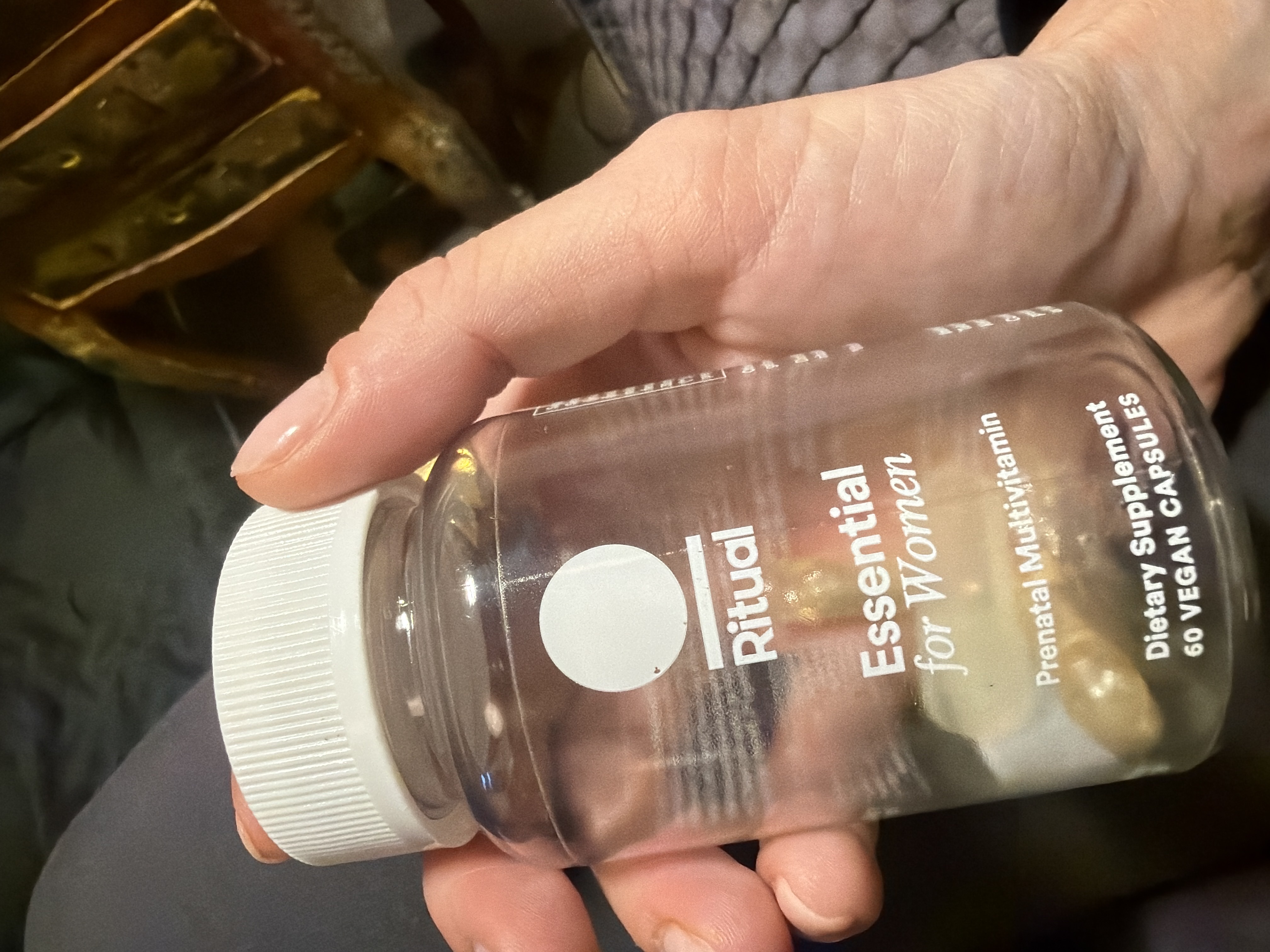
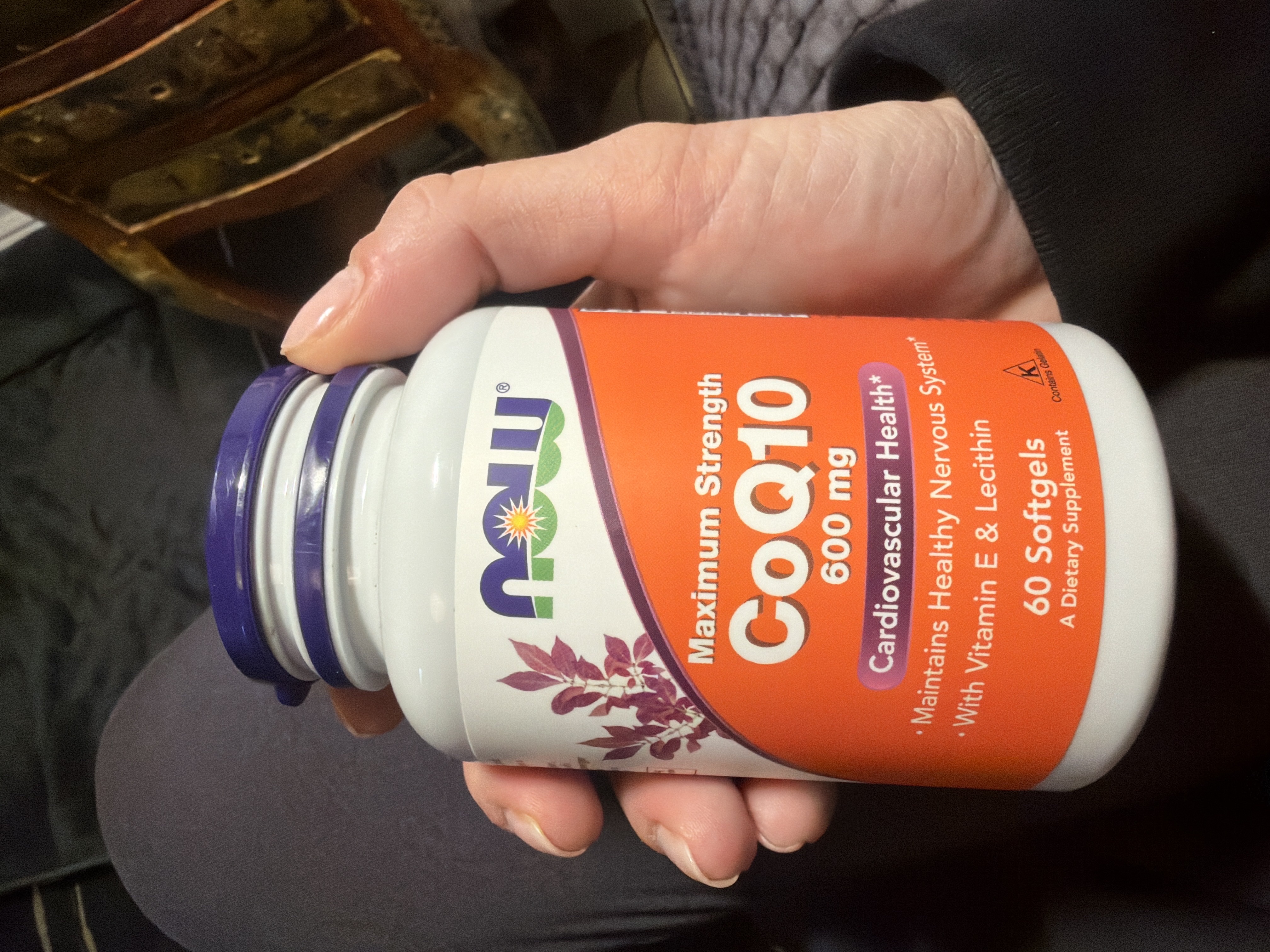
No supplements unless cleared by the doctor. Prenatal vitamins are fine and can be continued. Other supplements — including anything that might affect platelet function or hormone levels — should be confirmed with the clinic before continuing.
Diet and hydration
No specific diet is required, but a few guidelines were consistent across the orientation materials and are worth following:
Stay hydrated. Electrolytes help. Coconut water is specifically mentioned in the NYU Langone materials — particularly post-retrieval when bloating peaks. This isn't just comfort advice; adequate hydration reduces risk of OHSS severity.
Eat plenty of protein and leafy greens. The orientation recommended a healthy, balanced diet with adequate protein during stimulation. No specific foods to avoid, but the logic of supporting the body through a demanding hormonal process applies.
Caffeine: 300mg or less per day. That's roughly two cups of coffee. The restriction isn't complete elimination — just moderation.
Alcohol: three drinks per week at most. The orientation guidance was to limit rather than eliminate entirely, though less is generally better during the cycle.
Everything else
No cannabis. The orientation explicitly noted no smoking weed during the cycle. This applies throughout stimulation and recovery.
Don't travel within 5 days of retrieval. The clinic needs to be accessible for monitoring, retrieval, and any post-retrieval complications. Planning travel too close to retrieval day is a logistical problem that's easily avoided by planning ahead.
Prenatal vitamins are fine and can be continued throughout the process. CoQ10 (coenzyme Q10) is commonly taken before and during stimulation cycles for egg quality — but always confirm anything you're taking with your clinic first.
Work and normal daily activities are generally fine throughout stimulation. The main constraint is the morning monitoring appointments — 7–9am daily during the active monitoring window, including weekends. Plan around those specifically.
From my orientation notes
The exercise window felt longer than I expected when I first heard it. Day 5 of stimulation through the first post-retrieval period can be three to four weeks depending on timing. That's not nothing — especially if exercise is a regular part of managing stress or mood. Worth knowing and planning for before the cycle starts, not mid-cycle.
I thought the exercise restriction was for the stimulation phase — maybe two weeks. It's actually three to four weeks total, from Day 5 of stimulation through the first period after retrieval. I exercise to manage stress and mood. Not knowing that window was coming made it harder when it arrived. If that's true for you too, knowing it ahead of time gives you a chance to actually plan around it.
What I'd tell a friend
Plan the exercise gap before Day 5, not after. If exercise is part of how you manage stress or mood, knowing a three-to-four week break is coming gives you time to think about what you'll do instead. Build in walking, stretching, things that feel like movement without being high-impact. The gap is real and worth planning for specifically.
What surprised me
How bad the headaches got. I had migraines consistently through stimulation — bad enough to take me out for several days at a time — and Excedrin wasn't an option since it contains aspirin, which is off-limits along with every other NSAID. Tylenol barely made a dent. Nobody mentioned headaches like this as a real possibility going in.
Quick reference
Fine to continue
- Walking and light movement
- Prenatal vitamins
- Tylenol (acetaminophen) for pain
- Up to 300mg caffeine per day
- Up to 3 alcoholic drinks per week
- Normal work and daily activities
- Low-impact stretching
Avoid during the cycle
- High-impact exercise (Day 5 through post-retrieval period)
- NSAIDs — Advil, Motrin, Aleve, aspirin
- Cannabis
- Unchecked supplements
- Penetrative sex during restricted window
- Travel within 5 days of retrieval
- Anything that creates significant abdominal strain or twisting
Sourced from NYU Langone Fertility Center orientation materials, verified June 2026. Always confirm restrictions with your own clinic — protocols may vary.